Site overhaul
Monday
Tuesday
The Canary Code: A Guide to Neurodiversity, Dignity, and Intersectional Belonging at Work
Ludmila Praslova writes specifically about neurodivergence in organizations and how workplaces misunderstand difference.
Quiet Autism at Work: The Late-Diagnosed Woman's Guide
Focused on masking, workplace authenticity, burnout, and navigating professional environments after late diagnosis.
The Inclusive Workplace: A Neurodivergent Employee's Guide
Practical workplace-focused guidance on accommodations, communication, self-advocacy, and reducing masking pressure.
A Radical Guide for Women with ADHD
Validation-heavy ADHD book for women focused on self-acceptance, confidence, boundaries, and communication.
Say What You Really Mean!: How Women Can Learn to Speak Up
Helpful for women who struggle with authority dynamics, indirect communication, overexplaining, or self-silencing in professional settings.
Is That Clear?: Effective Communication in a Neurodiverse World
Focused on how neurodivergent and neurotypical communication styles differ and how misunderstandings develop in workplaces.
Monday
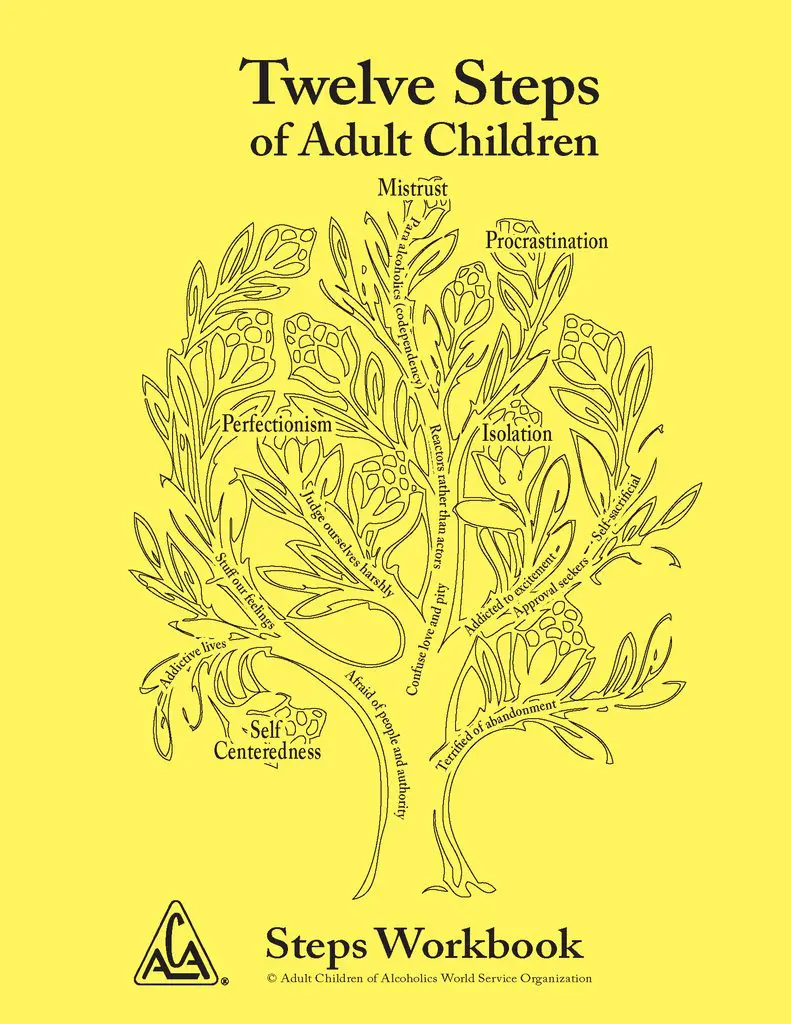
Adult Children of Alcoholics & Dysfunctional Families (ACA) defines a dysfunctional family as one in which emotional safety, consistency, and healthy boundaries were absent or unreliable. In these families, children often grew up adapting to chaos, emotional neglect, addiction, mental illness, or rigid control rather than being supported in developing a secure sense of self. ACA emphasizes that dysfunction is not limited to families affected by alcohol use; it also includes homes where feelings were minimized, needs were unmet, roles were distorted, or authentic expression was unsafe. As a result, many adult children carry survival-based patterns—such as hypervigilance, people-pleasing, emotional withdrawal, or self-criticism—into adulthood, often without recognizing their origins in early family dynamics.
CA Fellowship Text, or “Big Red Book” (BRB), is the core guide for Adult Children of Alcoholics. Written anonymously by members, it adapts AA’s Twelve Steps to address the lasting effects of childhood trauma and dysfunction. The BRB offers hope, understanding, and tools for healing, helping adults overcome harmful survival traits and build healthier relationships.